Communities across Katsina State have renovated and rehabilitated more than 3,900 public facilities under the state’s Community Development Programme (CDP), following the disbursement of N3.61 billion in community-managed grants to the state’s 361 political wards.
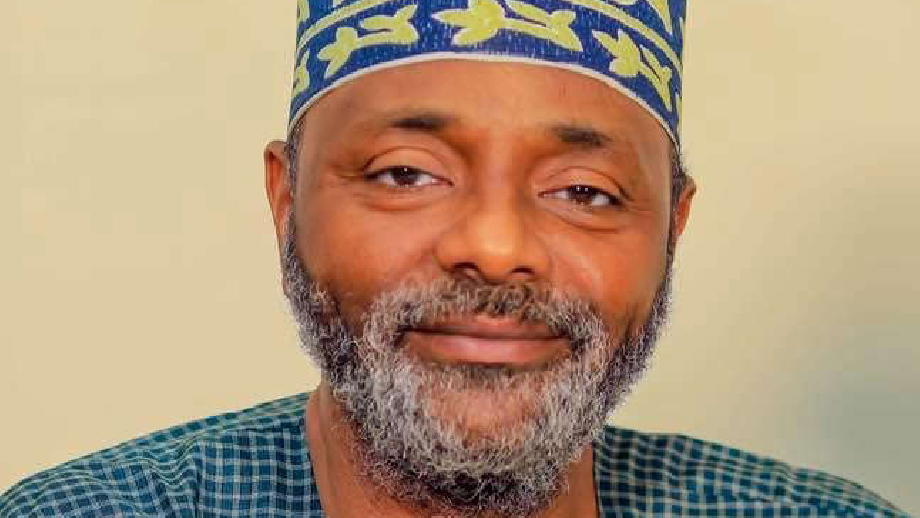
State Coordinator of the programme, Associate Professor Kamalludeen Kabir, disclosed this during a media parley, saying the initiative, introduced by Governor Dikko Umaru Radda’s administration, was designed to give communities direct control over grassroots development projects.
Kabir said each of the 361 wards received N10 million, amounting to N3.61 billion, to execute priority projects without the delays associated with lengthy bureaucratic procedures.
According to him, the intervention has led to the renovation and repair of more than 3,900 government-owned facilities, including schools, primary healthcare centres, water infrastructure, drainage systems and solar-powered streetlights.
“As of last month, the 361 communities have renovated and repaired over 3,900 government facilities within their domains. Many more projects are ongoing while others have been proposed,” he said.
He explained that the programme operates through a three-tier implementation structure comprising a State Steering Committee, a Joint Planning Committee and Community Development Committees established in each of the 361 wards.
Each ward, he said, has a 17-member committee made up of traditional rulers, councillors, women, youths, persons with disabilities, community elders, and education and health officials, among other stakeholders, to identify development priorities and oversee implementation.
To strengthen execution, the state recruited 1,083 personnel—three for each ward—to serve as Community Development Officers, Community Line Officers and Community Support Officers.
Kabir said the committees organise town hall meetings, validate community needs, prioritise projects and recommend beneficiaries for various government intervention programmes.
He noted that the community-driven approach has also improved the targeting of government support by enabling residents to identify genuine farmers, artisans, business owners and other beneficiaries based on local knowledge.
The coordinator further disclosed that development priorities generated during consultations across all 361 wards were incorporated into the 2026 Appropriation Law.
He added that Governor Radda has directed the programme to commence another round of consultations across the wards to generate citizens’ priorities for the 2027 budget, ensuring government planning reflects the actual needs of communities.
Kabir said the participatory model has strengthened community ownership of public infrastructure, deepened citizens’ involvement in governance and enhanced the inclusion of women and persons with disabilities in decision-making.
He cited the example of a community that opted for the training of plumbers instead of additional infrastructure, resulting in the emergence of more than seven skilled plumbers now maintaining local water facilities and reducing dependence on neighbouring local government areas for repairs.
He described the Community Development Programme as a shift from centrally planned development to a community-led model in which residents identify their priorities and directly participate in projects that improve their daily lives.