The Nigerian Exchange Group (NGX Group) said the confirmation of Nigeria’s return to Frontier Market status by FTSE Russell marks the beginning of a new chapter for the country’s capital market and creates an opportunity to attract deeper global investment.
FTSE Russell confirmed in a market notice on August 27, 2026, that Nigeria’s reclassification from Unclassified to Frontier Market status will take effect from the opening of trading on September 21 2026.
The decision follows a process that began in October 2025 when Nigeria was placed on the FTSE Watch List after improvements in foreign exchange liquidity, capital repatriation and market accessibility. In April 2026, FTSE Russell announced the return, effective in September.
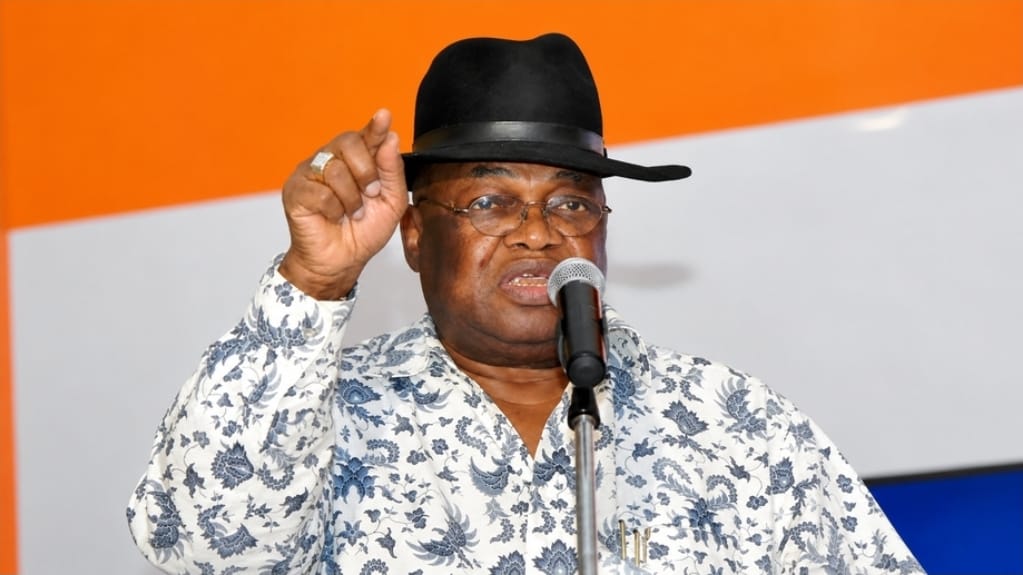
Speaking on the development, NGX Group managing director/chief executive officer Temi Popoola said the reclassification is an important milestone, but the real work lies ahead.
“This is an important moment for Nigeria’s capital market. But the real significance of returning to Frontier Market status is the opportunity it creates for the next phase of our market’s development,” Popoola said.
He noted that “we have to turn greater international visibility into broader participation, deeper liquidity and more capital for Nigerian businesses. Our ambition is to build a market that is increasingly competitive globally and more relevant to Nigeria’s economic growth.”
The confirmation came after an additional assessment by FTSE Russell of Nigeria’s transition from a T+2 to T+1 settlement cycle on June 1, 2026.
Market participants had raised concerns that the new framework could result in a de facto prefunding requirement for international institutional investors.
To address this, NGX Group, the Securities and Exchange Commission (SEC) and other stakeholders engaged FTSE Russell and global custodians.
In July 2026, an NGX Group delegation met with international investors and custodians to present evidence on the operation of T+1 and outline efforts to align Nigeria’s market infrastructure with international best practice.
Following the review, FTSE Russell, supported by feedback from its Equity Country Classification Advisory Committee, confirmed that “no material settlement, operational or funding issues had been observed since the implementation of the T+1 settlement cycle.”
The FTSE Russell Index Governance Board subsequently confirmed that the reclassification would proceed as scheduled.
Popoola said the milestone aligns with broader efforts to strengthen the market, including engagement with government.
On 6 August 2026, the NGX Group Board met with President Bola Tinubu to brief him on reforms and discuss the market’s role in mobilising long-term capital for Nigeria’s economic transformation agenda.
“The engagement underscored the importance of continued collaboration between government and the capital-market ecosystem in creating an enabling environment for investment and capital formation,” he noted.
The next milestone will be the publication of the FTSE Frontier Index Series annual indicative review files for September 2026 on September 2, 2026, which will reflect Nigeria’s reclassification.
NGX Group reaffirmed its commitment to work with the federal government, the Securities & Exchange Commission (SEC), market operators, investors and global index providers to strengthen Nigeria’s position in the international financial ecosystem.
 Politics