The Female Architects of Nigeria (FAN) has called on the federal government to reserve 30 per cent of housing units under its programmes for women, persons with disabilities and other vulnerable Nigerians.
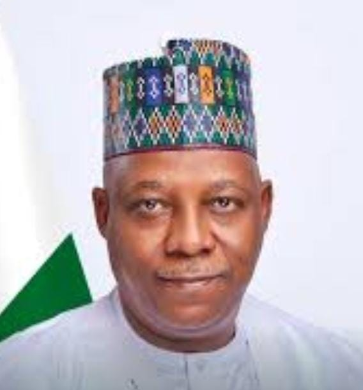
The association made the demand when its leadership, led by its chairperson, Arc. Ene Agada, paid a courtesy visit to the Minister of Housing and Urban Development, Engr. Muttaqha Rabe Darma, in Abuja.
FAN also proposed a partnership with the federal government for the development of affordable and environmentally friendly housing specifically tailored to the needs of female-headed households and vulnerable groups.
The association said the proposed allocation would promote greater inclusion in housing delivery and ensure that disadvantaged groups benefit meaningfully from government housing interventions.
Beyond housing allocation, the female architects sought stronger collaboration with the ministry in the development of resilient and accessible school infrastructure, vocational training and skills acquisition for women and young people.
They proposed training in modern construction techniques, sustainable building, digital design and interior architecture, saying the initiatives would help address workforce gaps in the built environment while creating opportunities for young Nigerians.
The association also called for government support for mentorship and internship placements for young women in architecture and construction.
Agada commended the minister’s leadership in advancing national housing delivery and sustainable urban development, assuring the ministry that FAN was ready to deploy its professional expertise to support government programmes.
Responding, Darma challenged female architects to match their demand for greater participation with professional competence, saying gender should not be the determining factor in appointments and opportunities within the built environment.
The minister said women professionals should be prepared to push beyond perceived limitations and demonstrate their capacity to take on greater responsibilities in the sector.
“I encourage you to push yourselves beyond what you think you can attain. As professionals, you can only be excluded if you allow it. If you seek to be included in anything, you will be included, whether female or male,” Darma said.
He noted that the ministry already had female architects occupying senior positions, including directors and deputy directors, who, according to him, were making significant contributions to the implementation of its mandate.
Darma, however, urged FAN to submit a formal proposal outlining specific initiatives that could be implemented jointly with the ministry to strengthen women’s participation in the built environment.
He said the association should return at its next engagement with a progress report on the proposals, stressing the need to move from discussions to concrete results.
“We thank you for the contributions you are making to this ministry, to the Council, and to your profession. Let us move ahead and begin to implement some of the aspects we have discussed,” the minister said.
The permanent secretary in the ministry, Dr. Shuaib Belgore, said the visit was particularly timely, coming shortly after the inauguration of a ministerial committee by the minister to accelerate reforms in the housing sector.
Belgore said the reform process presented an opportunity for professional bodies such as FAN to contribute ideas and expertise towards improving housing delivery across the country.
“Your visit presents an opportunity to explore how you can continue to contribute to what we do here,” he said.
The proposed 30 per cent housing allocation is part of FAN’s broader push for a more inclusive housing and built environment policy, with the association seeking greater consideration for women, persons with disabilities and other vulnerable Nigerians in government interventions.
FAN said it remained committed to inclusivity, women empowerment and mentoring young female professionals, while offering to work with the ministry to support the delivery of affordable housing, accessible public infrastructure and sustainable cities.