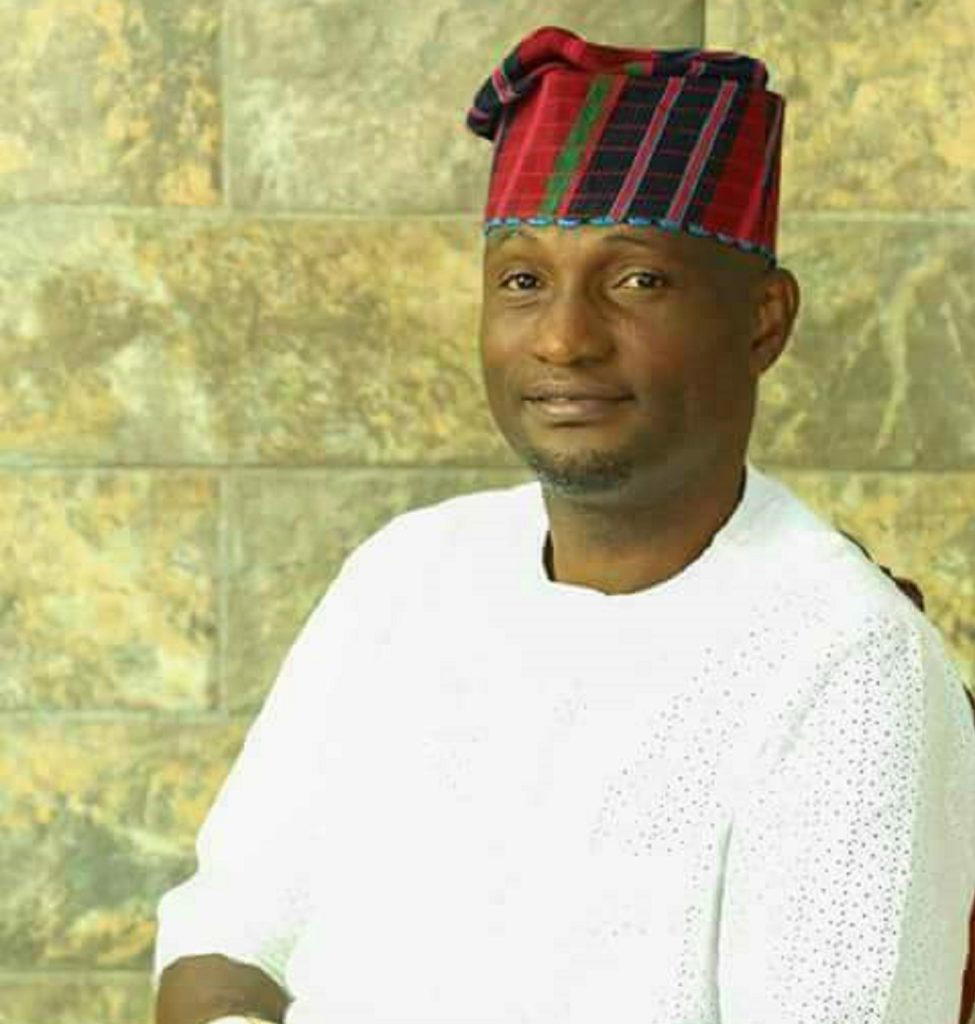
Hammed Shittu in Ilorin
Ex-registrar of the University of Ilorin (UNILORIN) Emmanuel Obafemi for the umpteenth time yesterday revealed the secret behind the institution’s status as one of the most patronized universities in Nigeria.
He said that the no-strike policy on UNILORIN attracted admission seekers to the over 50-year-old.
Mr. Obafemi said this in Ilorin, Kwara State, at a special Senate programme in honour of the 9th vice chancellor of the school, late Prof. AbdulGaniyu Ambali.
Late Prof. Ambali last week died after a brief illness and was later buried in Ilorin according to Islamic rites.
However, Mr. Obafemi said, “late Prof. Ambali met the culture of no-strike by the Academic Staff Union of Universities (ASUU) and other unions. Despite pressure from everywhere, he maintained that there would be no strike and throughout his period as vice chancellor there was no strike.
“This made the university one of the first-choice universities. Candidates know when they would enter and when they would finish.”
He hailed the welfarist disposition of the late Prof. Ambali, adding that, “for the four years I served as registrar under him, Prof. Ambali, every staff got a bag of rice each at the end of each year.”
The university used the forum to announce plans to immortalise Prof. Ambali, as the institution’s Senate, former vice-chancellors, academics and stakeholders celebrated his enduring legacy of service, humility and transformative leadership.
Addressing members of the university community at the institution’s auditorium in Ilorin, Egbewole described Ambali as an exceptional administrator whose tenure left indelible marks on the growth and development of the university.
He said while the university was mourning the loss of a distinguished scholar and leader, it was equally celebrating a life filled with remarkable accomplishments.
“As a university, we are sad, but we are celebrating a life of fulfilment and achievements. As a nation, one of our best is gone, but what we see in the palm of our hands are his candour, courage, fighting spirit and record of achievements,” Egbewole said.
The Vice Chancellor noted that Ambali, who led the institution between October 2012 and October 2017, played a significant role in preserving the university’s culture of academic stability, particularly its uninterrupted academic calendar, which has remained one of the institution’s defining strengths.
According to him, the late professor also championed religious harmony, strengthened veterinary and pharmaceutical education, promoted research commercialisation through LABTOP, expanded health sciences facilities and advanced the university’s internationalisation drive.
Reflecting on his personal encounters with the late administrator, Egbewole described him as a calm but highly effective leader.
“I can confirm that Prof. Abdulganiyu Ambali was a resourceful leader, a very accommodating leader, a committed leader, easy-going, a quintessential gentleman and a leader I acknowledge as an introverted dynamo,” he stated.
He challenged members of the university community to sustain the achievements recorded during Ambali’s tenure.
“How far have we maintained these gains? How far have we sustained these legacies? How resolved are we in ensuring that these sacrifices for our university are not in vain? All of these are the essence of this Senate Special Session,” he said.
Egbewole further announced that the university would erect a monument on campus in honour of the late former vice-chancellor.
“Prof. Abdulganiyu Ambali cannot be forgotten. We will honour his legacies with a strategic monument on our campus,” he added.
Former Vice-Chancellor of the University of Ilorin and Registrar of the Joint Admissions and Matriculation Board (JAMB), Professor Ishaq Oloyede, also paid glowing tribute to the late academic, describing him as a humble leader, respected scholar and administrator whose contributions continue to resonate within the institution.
Oloyede highlighted Ambali’s role in advancing academic programmes, improving infrastructure and driving institutional growth during his tenure as vice-chancellor.
He also commended the late professor’s dedication to mentorship, research and the welfare of both staff and students.
In a tribute titled – Like Life, Like Death – Professor Raheem Adebayo Lawal of the Department of Arts Education described Ambali as a man whose humility and gentleness defined both his life and his passing.
“Like life, like death: the manner of the death of Prof. AbdulGaniyu Ambali appears to me as a replica of his manners in life. He was humble in life and gentle in death,” Lawal said.
Prof. Lawal recounted that Ambali spent his final day attending religious activities, visiting relatives and extending support to those around him.
He also narrated how, days before his death, the former vice-chancellor requested a younger Islamic cleric to preach to him on the supremacy of Allah, a sermon that deeply moved him.
Lawal described Ambali as a calm and fair-minded administrator who remained composed despite pressures and intrigues associated with university leadership.
Recalling their years of working together, he said the late professor was never afraid to acknowledge good advice or admit mistakes.
According to him, Ambali’s honesty, humility and strong moral values earned him respect across the university community.
Similarly, former vice-chancellor, Prof. Suleyman Age, described Ambali as a distinguished scholar, humble administrator and committed mentor whose impact on the university remains visible.
Age said the late professor’s leadership strengthened academic standards, expanded infrastructure and promoted a culture of research and innovation.